





Northline Windows & Doors
Publisher
When Is It Time to Replace Your Windows?
Most homeowners don't wake up one morning and decide their house needs new windows.
Usually, it starts with one window.
Maybe the bedroom feels colder than the rest of the house every winter. Maybe there's a living-room window you avoid sitting beside in January. Or maybe the kitchen window that used to open easily now needs a little convincing every time you reach for it.
Individually, those things can be easy to ignore. When they start happening throughout the house, though, your windows may be telling you something.
Your Home Usually Gives You a Few Clues
Drafts are an obvious one, but they aren't the only thing worth paying attention to.
Fog or condensation between the panes can indicate that a sealed glass unit has failed. Weatherstripping can wear down. Locks and cranks that once worked smoothly can become difficult to operate. Frames and surrounding finishes can show signs of deterioration.

Sometimes the clue is simply comfort.
If one room consistently feels colder around the windows or you find yourself moving the couch away from the glass every winter, that's worth investigating even if nothing looks dramatically wrong.
One problem doesn't necessarily mean the window needs replacing. A worn piece of hardware or weatherstripping may be repairable. But when drafts, failed seals, difficult operation and deterioration start appearing together — especially across several older windows — replacement becomes a much more reasonable conversation.
Replacement Doesn't Mean Repeating What You Already Have
This is where window replacement gets more interesting.
If a slider has been in your bedroom for 25 years, you don't automatically need another slider. If three small windows are breaking up a view you love, the replacement doesn't necessarily need to recreate the same arrangement.
You can ask better questions.
Would more glass make the living room feel brighter? Would a casement window be easier to operate above the kitchen sink?

Would an awning provide better ventilation in the bathroom? Would a larger fixed section finally give you the backyard view you've been trying to see around three different frames?
Replacing your windows gives you an opportunity to rethink how each opening should actually work for the room around it.
Think About Comfort, Not Just Energy Efficiency
Energy performance matters in Ottawa. Our windows spend part of the year separating a comfortable house from temperatures well below freezing.
But homeowners don't experience a window through an efficiency rating.
You experience it when you sit beside the glass. You notice whether the bedroom feels comfortable on a January night, whether condensation keeps appearing, whether outside noise carries into the room and whether the window actually opens when you want some fresh air.
Those everyday details are often a much better starting point for choosing replacement windows than simply looking for the highest number on a specification sheet.
You Don't Need the Same Window Everywhere
A whole-home window replacement doesn't mean ordering twenty identical windows.
Different rooms ask different things from their windows. A bedroom may need ventilation. A stairwell may only need natural light. A bathroom might benefit from privacy glass. A basement opening may need to satisfy specific egress requirements. And the big living-room window might be all about the view.
The glass package can change too. Double pane may make perfect sense in one opening while triple pane deserves consideration somewhere you spend more time beside a larger area of glass.
That's why we'd rather start with your home and the way you use it, then work toward the window.
Once you know what you want each opening to do better, choosing the styles, glass and finishing options becomes a whole lot easier.
Window Replacement
Once you've decided it's time to replace your windows, the next question is usually some version of: what should I replace them with?
There isn't one window style or glass package that makes sense everywhere. A kitchen window has a different job from a basement window, and the big opening overlooking your backyard deserves a different conversation from the little window at the end of the hallway.
The easiest way to narrow things down is to look at how you want each room to function, then choose the window around it.
Casement, Awning & Tilt and Turn Windows
If ventilation is important, you have a few different ways to get it.
Casement windows swing outward and can open wide when you want plenty of fresh air. Their crank operation also makes them convenient in places such as above a kitchen sink, where reaching forward to push or slide a sash would be awkward.
Awning windows hinge across the top and open outward from the bottom. Their shorter proportions can work particularly well in bathrooms, basements and combination windows where you want an operable section without dedicating the entire opening to it.
Tilt & turn windows take a different approach altogether. Tilt the top inward for controlled ventilation, or swing the entire sash inward when you want a larger opening and easier access to the exterior glass for cleaning.

All three give you fresh air. The difference is how you want to use the window once it's in the room.
Sliding, Single Hung & Double Hung Windows
Sometimes the most useful window is the one that stays out of the way.
Sliding windows move horizontally within the frame, so the sash doesn't project into the room or outside the house. That can make sliders especially practical beside decks and walkways, in basements or anywhere an outward-opening window could become inconvenient.
For a more traditional vertical appearance, single hung windows use one movable sash, while double hung windows allow both sashes to operate.

These styles can work particularly well when you want straightforward ventilation without a sash swinging beyond the window opening.
Picture, Fixed, Bay & Bow Windows
Not every window needs to open.
If the backyard is something you actually enjoy looking at, a picture window can provide a larger, cleaner area of glass without operating hardware getting in the way.
Fixed windows can serve a similar purpose on their own or as part of a larger combination. A large fixed centre section with smaller casement or awning windows around it can give you the view and the ventilation without making every piece of glass operable.
For homeowners looking to change the architecture of the opening itself, bay & bow windows project outward from the home. They can introduce more glass, dimension and usable space around the window while creating a much more noticeable feature inside and out.

Double Pane or Triple Pane?
Window style determines how the window operates. The glass package determines another important part of how it performs.
Double pane windows use two panes of glass separated by an insulated space and can provide a practical balance of thermal performance and project cost.
Triple pane windows add a third pane and another insulated cavity, providing additional thermal performance that can become particularly relevant during an Ottawa winter.

But more glass doesn't automatically mean every window in the house needs triple pane.
That big living-room window beside the couch may deserve a different conversation from a small laundry-room window you barely spend time around. We'd rather look at the home room by room and put additional performance where you're actually going to benefit from it.
Egress, Privacy & Specialty Windows
Some openings have requirements that go beyond the usual conversation about ventilation and views.
Egress windows are designed around emergency-exit requirements and become particularly important when planning certain basement spaces. The size of the opening and the usable clear opening both need to be considered rather than assuming any operable basement window will qualify.
Privacy glass windows solve a completely different problem. Frosted, textured or obscured glass can bring daylight into bathrooms, entrances and exposed areas of the home without providing such a clear view through the window.
And sometimes the architecture simply calls for something other than a rectangle. Shaped windows can introduce arches, circles and other custom configurations where a conventional window wouldn't have the same effect.

The important part is that you don't need one answer for the entire house.
A casement over the kitchen sink, awning in the bathroom, slider in the basement and picture window overlooking the backyard can all be the right choice at the same time. The goal of a replacement project isn't to find the “best window.”
It's to find the right window for each opening.
Installation Options
Choosing the right window is only part of a replacement project. It still needs to be properly measured, manufactured for the opening and installed correctly once it arrives at your home.
Northline's windows are custom-made and manufactured in Ontario, so the process starts with your home rather than a standard window sitting on a warehouse shelf.
Custom-Made & Manufactured in Ontario
Ottawa homes don't always have perfectly standard window openings, especially once you're working with older properties, additions and previous renovations.
That's why accurate measurements come first. Once the opening and window configuration are confirmed, the new window can be manufactured around the dimensions of your home.
The customization goes beyond size. Depending on the configuration, you can choose your window style, double or triple pane glass, interior and exterior frame colours, grille patterns, privacy glass and available hardware finishes.
Want to see what happens after those measurements leave your home?
See how your windows are made. Take a look inside the Ontario manufacturing process and see how custom replacement windows are built before they arrive at your home.
Colours, Grilles & Finishing Details
A replacement window should look like it belongs on the house, not simply fit into the hole left by the old one.
Frame colour makes one of the biggest visual differences. White can keep things clean and traditional, while darker exterior options can add contrast and give the home a more contemporary appearance. Depending on the available configuration, interior and exterior finishes can also be considered separately so the window works with both sides of the wall.

Window & Framing Color Options
Grilles give you another way to shape the design. An uninterrupted pane keeps the emphasis on the glass and view, while colonial and other grille patterns can introduce more traditional architectural detail.
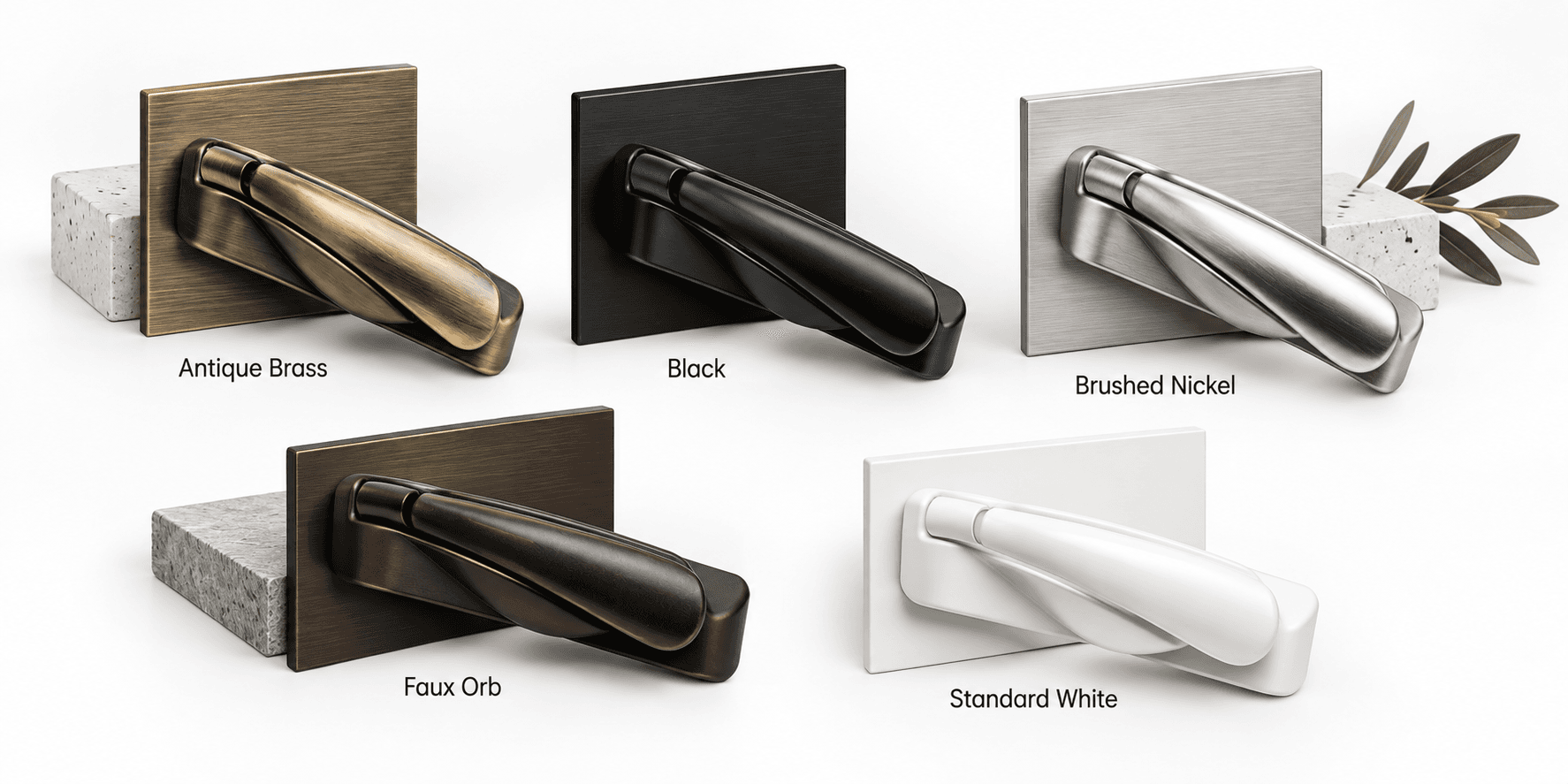
Then there are the smaller pieces you'll actually interact with. White, black, brushed nickel and other available hardware finishes can either blend into the frame or provide a subtle accent.
And when an opening needs daylight without such a direct view through the glass, privacy glass can be incorporated into the design rather than relying on blinds to do all the work.
The point isn't to add every available option. It's to make the window feel intentional once it's part of your home.
Professional Window Installation in Ottawa
Even a beautifully made window can disappoint if the installation around it isn't given the same attention.
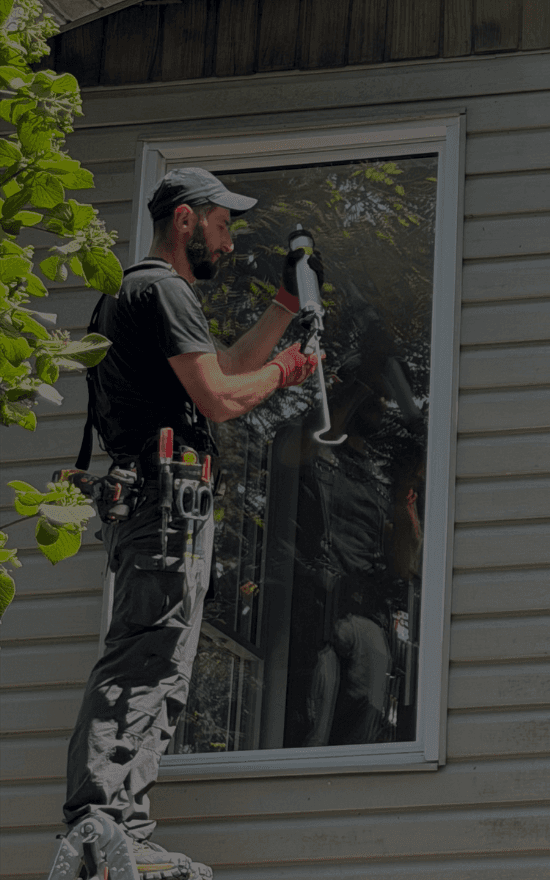
The existing window needs to be carefully removed, the new unit positioned correctly within the opening and the surrounding area properly insulated, sealed and finished. Those details matter for everything from drafts and water management to how smoothly the window operates.
Once installed, the window should be checked to make sure the sash moves properly, the locks engage and everything feels the way it should before the project is wrapped up.
That's why Northline treats measurement, custom manufacturing and installation as one connected process rather than three unrelated steps.
Your windows are made for the openings in your home. The installation is what brings the whole thing together.
