
Privacy Glass Windows



Jason White
Content Writer
August 12th, 2026
Privacy glass windows are designed for areas where homeowners want daylight without a completely transparent view through the opening. The glass can use textured, patterned or obscured finishes that diffuse visibility while still allowing light to enter the room.
Bathrooms are one of the most common applications, but privacy glazing can also be useful in front entrances, side-facing windows, stairwells, basements and rooms positioned close to neighbouring properties. The right option depends on how much privacy is needed and how much natural light the homeowner wants to preserve.
Privacy glass can be incorporated into several window styles rather than requiring a specific type of frame. Awning, casement, fixed and other configurations can all be considered depending on ventilation needs and the dimensions of the opening.
Homeowners should also think about privacy during both daytime and evening conditions. The level of visibility can change depending on lighting inside and outside the home, so glass selection should be based on the actual location and intended use.
Northline’s windows are custom-made for each opening and manufactured in Ontario, allowing privacy glass to be incorporated into a window configuration planned around the room.
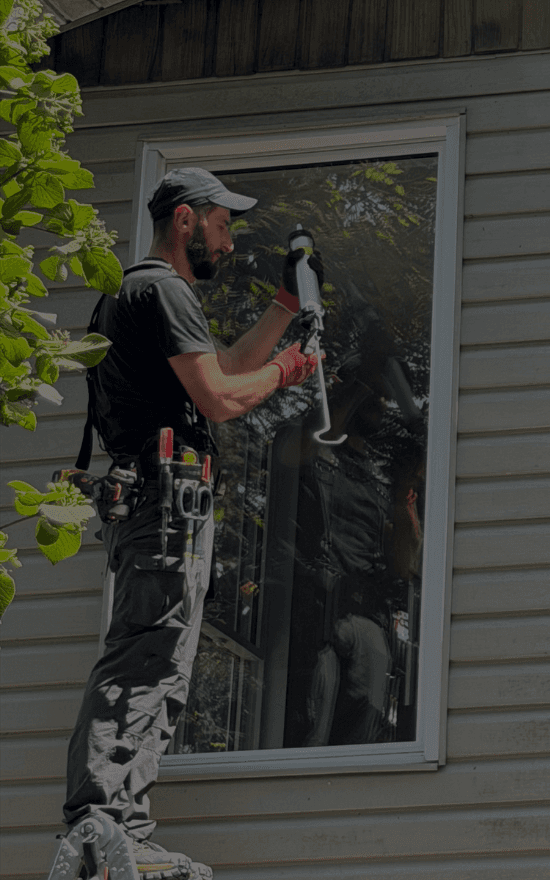
Professional installation remains important. Accurate sizing, proper frame alignment, insulation and sealing all contribute to the performance of the finished window, while glazing selection determines the balance between privacy, daylight and appearance.

Windows
Installation & Replacement

Doors
Installation & Replacement

Tilt & Turn Windows
Installation & Replacement

Egress Windows
Installation & Replacement
Privacy Glass Basics
Privacy glass reduces direct visibility through a window by changing the surface or appearance of the glazing while still allowing natural light into the room.
Textured Glass Surfaces
Patterns or textures in the glass distort the view through the window, helping reduce clear sightlines.
Diffused Natural Light
Privacy glazing can soften incoming daylight instead of blocking it completely.
Different Levels of Obscurity
Some glass patterns provide greater visual privacy than others, so the right choice depends on the room and window location.
Integrated Into the Window Unit
Privacy glass can be built into the glazing configuration rather than relying only on blinds or coverings.
Suitable for Different Window Styles
It can be used with awning, casement, fixed and other window configurations depending on the product.
Privacy Without Eliminating Daylight
The main advantage is the ability to maintain a brighter room while reducing direct visibility from outside.
Room Applications
Privacy glass is most useful in rooms where visibility from outside needs to be reduced but natural light remains valuable.
Bathrooms
Bathrooms are a common location for privacy windows because they require both daylight and reduced visibility.
Front Entrances
Windows near front doors or foyers can use privacy glazing to brighten the entrance without providing a completely clear view inside.
Side-Facing Windows
Homes positioned close together may benefit from privacy glass on windows facing neighbouring properties.
Basement Windows
Privacy glazing can help reduce visibility into lower-level rooms while still allowing daylight through the opening.
Stairwells
Fixed privacy glass can brighten staircases where clear exterior views are not necessary.
Utility and Laundry Rooms
These spaces can benefit from additional natural light without requiring fully transparent glazing.
Window Styles
Privacy glazing can be paired with both operable and fixed window styles, allowing the configuration to be chosen around ventilation and room layout.
Awning Windows
Awning windows are a strong option for bathrooms because they can provide compact ventilation alongside privacy glass.
Fixed Windows
Fixed privacy windows work well where daylight is important but ventilation is not required.
Casement Windows
Casement windows can combine privacy glazing with a larger ventilation opening in bedrooms, bathrooms or side-facing rooms.
Shaped Windows
Custom-shaped privacy glass can add architectural detail to entrances, stairwells and other feature areas.
Sliding Windows
Sliding windows can incorporate privacy glazing where simple horizontal operation is preferred.
Combination Windows
A larger fixed privacy panel can be paired with an operable window where both daylight and ventilation are needed.
Design Considerations
Privacy glazing can be a functional feature while still contributing to the overall appearance of the home.
Coordinating With Window Style
The glass pattern should suit the proportions and operating style of the selected window.
Modern Minimalist Options
Simpler textures can complement contemporary interiors and clean architectural lines.
Traditional Patterns
More decorative glass can work well in homes with traditional trim, grilles or entrance details.
Interior Frame Colours
Frame finishes can be coordinated with tile, cabinetry, wall colours and other interior materials.
Exterior Appearance
Privacy glazing should also be considered from outside the home so the window remains visually consistent with the facade.
Custom Window Dimensions
Northline’s windows are manufactured in Ontario and custom-made around the measured opening, allowing privacy glazing to be incorporated into a purpose-built configuration.
Our Process

STEP 01
Tell Us About Your Project
Tell us what windows or doors you’re replacing and what you need from the project.
STEP 02
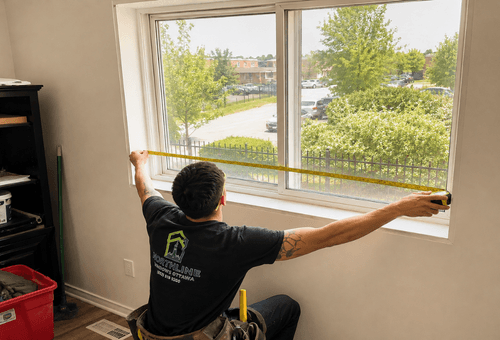
Measure & Recommend
We measure your openings and recommend the right window or door options for your home.

STEP 03
Install With Care
We complete the installation with careful fitting, insulation, sealing and finishing.

STEP 04
Final Walkthrough
We review the finished work, confirm proper operation and complete the warranty registration.
From single window replacements to full-home upgrades, Northline keeps the process straightforward from start to finish.

Payment Options
Window Rebates

Home Renovation Savings Program
Eligible window and door upgrades may qualify for rebates through Ontario’s Home Renovation Savings Program, helping homeowners reduce the cost of improving comfort and energy efficiency.
$100/Opening
